A Designer’s Take on the Eat Sleep Ramen Repeat SVG
The Instant Appeal: A Playful, Comfort-Food Mood
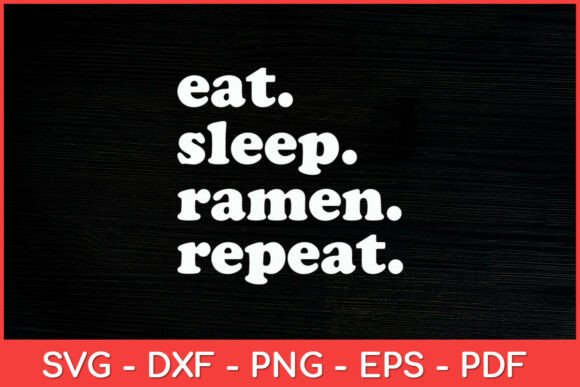
When you first open the Eat Sleep Ramen Repeat SVG design, the mood is immediately clear. It’s playful, relatable, and taps into that cozy, comfort-food culture that so many people adore. The layout—typically a circular or badge-style arrangement of the text with the central “Ramen” element—creates a balanced, badge-like feel that’s perfect for a patch or apparel accent. The visual personality is friendly and slightly quirky, making it feel less like a generic slogan and more like a personal declaration. For embroidery, this translates into a design that’s not just decorative, but conversational. It naturally belongs to projects meant for gift-giving, casual apparel, or kitchen-themed merchandise where a lighthearted, personal touch is key.
Where This Design Shines in Real Projects
Imagine you’re preparing a custom embroidered tote bag for a food-loving friend, or a sweatshirt for a small boutique focusing on niche pop-culture items. The Eat Sleep Ramen Repeat design is a prime candidate. Its theme is specific yet widely appealing, making it excellent for personalized gifts and small shop merchandise. I’ve considered it for aprons and kitchen towel sets—it adds a fun, personal touch to functional items. For baby clothes in a “foodie” family, it could be a charming, unique alternative to more generic themes. As an embroidered patch, it would hold up well on bags or jackets, acting as a statement piece. For Etsy sellers and creative entrepreneurs, this design offers a ready-made asset for creating products that feel current and engaged with specific hobbies or lifestyles.
Considering Commercial Use and Customer Appeal
From a business perspective, using this design on finished products like caps, pillow covers, or tea towels can enhance visual appeal through its recognizable theme. The clarity of the stitching, particularly if the “Ramen” portion is rendered with some detail, adds perceived value. For customers, it signals that the maker understands a niche interest, building trust and engagement. It’s giftable because it’s specific—the perfect present for a ramen enthusiast. For brand consistency, a shop focusing on food or cozy lifestyle products could integrate this design into a series, creating a recognizable line. In printable mockups and digital product previews, the clean lines of an SVG help present the final embroidered product professionally.
Practical Considerations for Embroidery Execution
While the design’s concept is strong, its execution in embroidery requires some practical judgment. The level of detail in the central graphic and the lettering will determine its success. On curved surfaces like caps, a simplified version might be necessary to maintain clarity. On textured fabrics like some sweaters or blankets, the smaller lettering in “Eat Sleep Repeat” could become lost if stitch density isn’t adjusted. Dark fabric backgrounds demand thoughtful thread color choices—high contrast is essential here.
Small hoop sizes could be challenging if the design includes very fine details; scaling it down for a tiny baby item pocket might mean sacrificing some intricacy. For products that need frequent washing, like kitchen towels or aprons, a solid fill stitch for the main elements and robust satin stitches for borders will ensure longevity. Dense stitch areas, if present, need proper stabilizer to prevent puckering, especially on stretchy or thin fabrics. Always test the design on scrap fabric first to check thread color contrast and stitch density for your specific project.
Designer Notes for a Smooth Process
Before committing this to a client project or a batch of craft fair products, here are my go-to steps. First, I always test the design on both light and dark fabric scraps to see how the details translate. Checking small details, like the corners of the badge or the connections in the lettering, in a black-and-white mockup helps plan stitch paths. Confirm your hoop size can accommodate the design comfortably—crowding a design into a too-small hoop distorts proportions. Use the proper stabilizer for your chosen fabric; a tear-away for stable cottons on a tote bag, perhaps a cut-away for a stretchy sweatshirt.
Most crucially, since this is a digital file for cutting machines, verify its compatibility with your embroidery software and process. As the product description states, it’s an instant download file for use with machines like Cricut and Silhouette. For embroidery, this typically means you’ll be using it as a guide for applique or converting it into an embroidery file format your machine reads. Always, always confirm the licensing terms before selling finished items or commercial embroidery projects. The description doesn’t specify license details, so it’s your responsibility to check with the seller or source to ensure your use—whether for personal gifts or small business merchandise—is permitted.
The Final Verdict for Makers
The Eat Sleep Ramen Repeat SVG design offers a strong, theme-driven foundation for a variety of embroidery projects. Its playful mood and badge-like layout make it a versatile choice for custom apparel, handmade gifts, and niche boutique products. Its success hinges on your practical embroidery adjustments: scaling, fabric choice, stitch type, and color contrast. For the embroidery designer, small business owner, or crafter looking to create products with personality, this design is a solid asset. Approach it with a tester’s mindset—run those fabric scraps first, plan your thread palette, and ensure your technical setup is right—and it can become a charming, well-executed finished product that resonates with a very specific, and very delighted, audience.