Evaluating "100 Days of School Celebration" for Embroidery Projects
When you download a digital embroidery design, it's not just a file—it's a commitment to a future project. You’re investing your time, materials, and creative reputation in its outcome. So when I first opened the "100 Days of School Celebration" design, my immediate thought wasn't about its format, but about its spirit. This design feels cheerful, milestone-oriented, and full of a celebratory energy that’s instantly recognizable. It belongs to a specific, joyful moment, and that clarity of theme is its greatest strength for a maker.
The First Impression: A Design Built for Celebration
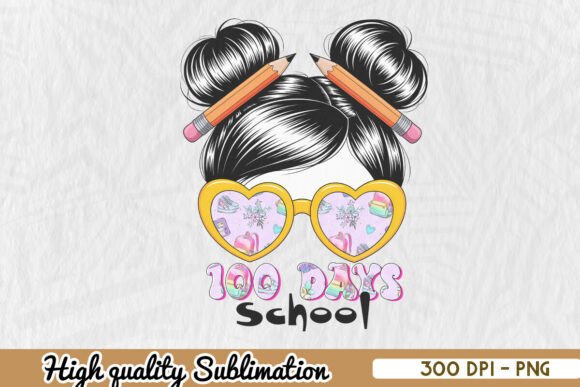
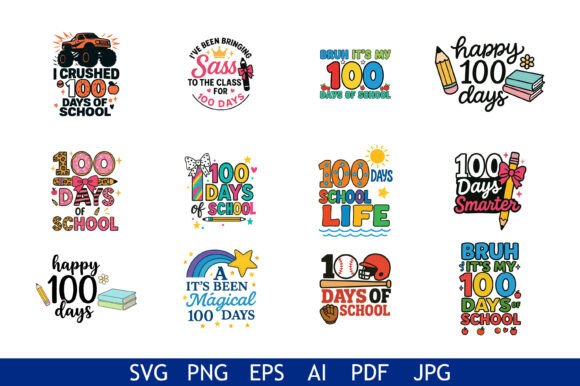
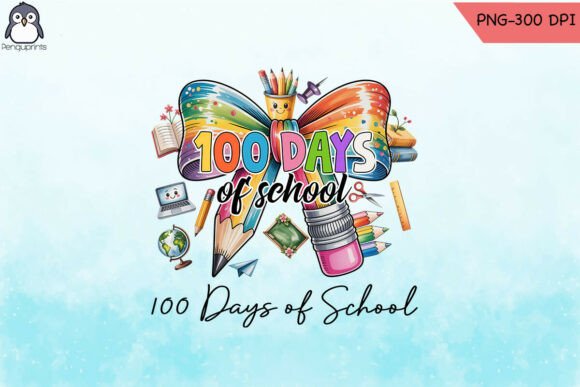
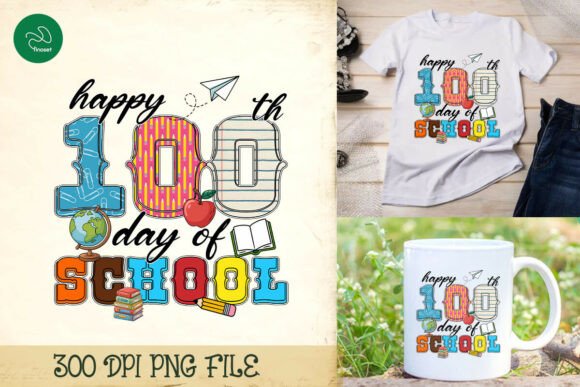
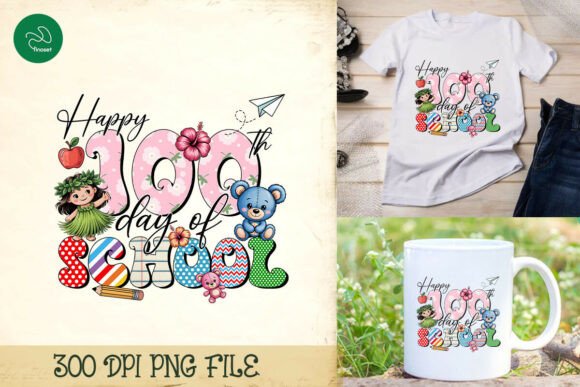
The visual personality here is all about positive recognition. The layout suggests a central, celebratory motif—likely involving the number 100—with supporting elements that amplify the "school celebration" theme. It’s not overly fussy or densely detailed, which is a good sign for embroidery. That means it will translate into stitches with clarity, not becoming a muddy blob of thread on fabric. The mood it creates is unambiguously festive and proud, making it a perfect fit for projects meant to commemorate an achievement.
In my mind, I immediately pictured it on a child’s sweatshirt or a tote bag for a teacher. It feels destined for custom apparel and personalized gifts where the message is the main event. For a small business owner specializing in school spirit items or milestone keepsakes, this design is a ready-made asset. Its straightforward, thematic nature means customers will understand its value immediately—they’re buying a symbol of a specific, meaningful day.
Where This Design Thrives in Real Stitching
Let’s walk through a real scenario. Imagine you’re preparing a custom embroidered tote bag for a first-grade teacher celebrating, well, 100 days of school. You want it to be a gift from the class. The "100 Days of School Celebration" design is your centerpiece.
On a sturdy canvas tote, the design’s elements will hold up beautifully. The likely bold shapes and text will allow for clean satin stitches or fill stitches without excessive density, which is ideal for bag fabric that needs to remain flexible. I’d lean toward bright, high-contrast thread colors to really make the celebration pop. This same logic applies to sweatshirts, aprons, and pillow covers—items with a decently stable base that won’t fight the embroidery.
For baby clothes or blankets, if you’re creating a keepsake for a child’s milestone, the design would work well, but scale is key. You’d need to ensure the overall size is appropriate for a smaller garment, avoiding any tiny lettering that might get lost. On caps or hats, the curved surface demands attention; the design’s layout should be evaluated for how it will conform to that curve. A balanced, centered motif typically handles this better than an asymmetrical, sprawling one.
Boosting Your Product’s Value and Appeal
Using a professionally themed design like this directly impacts your finished product’s perceived value. For a crafter or Etsy seller, it lends an air of completeness and professionalism. A customer sees a coherent, well-executed celebration theme, not a generic number slapped on a item. This builds trust—they feel you understood their need. For giftability, it’s excellent. The recipient instantly connects with the sentiment, making your handmade product more meaningful than a store-bought alternative.
In a commercial embroidery setting, perhaps for a school boutique or a uniform shop, this design provides brand consistency for a specific product line. All your 100-day merchandise carries the same visual signature, making your offerings cohesive and recognizable. That engagement is practical: it answers a customer’s search for a very specific item directly.
Caution Zones: Where to Proceed with Care
Every design has its ideal applications and its trickier ones. With "100 Days of School Celebration," the primary cautions revolve around scale and fabric choice.
If you’re thinking of a very small hoop size—for a tiny patch or on the corner of a tea towel—you must inspect the design's detail level. Are there intricate decorative accents or thin lines that might become a single, fragile thread line? Test first. Highly textured fabrics, like a thick sweater or a loosely woven blanket, can distort clean lettering and shapes. Similarly, stretchy fabrics require excellent stabilizer and potentially a lighter stitch density to prevent puckering.
Dark fabric backgrounds are always a consideration. This celebratory design likely relies on visual clarity. You’ll need to choose thread colors that offer strong contrast against dark navy or black if you go that route. And for items needing frequent washing, like kitchen towels or kids’ apparel, consider simplifying the thread color palette or ensuring your stitch structure is robust enough to withstand wear without fraying.
Practical Notes from the Embroidery Hoop
Before you load this embroidery file and start a client project, here’s my standard designer checklist. These steps save time, materials, and disappointment.
- Always test on scrap fabric first. Use the same material you intend for the final product. This reveals how the stitch density interacts with your fabric’s weight and texture.
- Check thread color contrast. Create a simple black-and-white mockup on your software or even just visualize it. Does the design hold its form without color? This ensures the composition is strong.
- Review the design for small, dense areas. Look for any corners or details that might bunch up with too many stitches in a tight space.
- Confirm your planned hoop size works. Resizing a design can sometimes distort proportions or simplify details unintentionally.
- Use the proper stabilizer for your fabric. This is non-negotiable for a clean, professional finish.
- Compare how it looks on light versus dark backgrounds in your mind. Some designs are versatile, others are best on one.
- Most critically, confirm the licensing terms. The product description mentions it's a digital design ideal for a wide range of DIY crafts. Before selling finished embroidered items or using it in commercial embroidery projects, you must verify that the license permits commercial use of the physical products you create. This is a fundamental step for any craft business or digital product seller.
The Final Stitch: A Design Ready for Real Celebration
The "100 Days of School Celebration" embroidery design presents itself as a thematic tool. Its value isn’t in mysterious complexity, but in clear, joyful execution. For makers targeting the school milestone niche, it’s a straightforward path to a finished product that feels intentional and professional. It avoids the pitfalls of over-designing, which in embroidery often leads to thread-heavy, stiff outcomes.
My judgment, from the point of view of someone who will actually stitch this onto something real, is positive. It’s a design that understands its role: to be stitched clearly, recognized instantly, and celebrated proudly. Pair it with the right project—a sturdy tote, a cozy sweatshirt, a commemorative patch—and your embroidery will carry that celebratory mood straight from the digital file into the hands of a happy customer.