Evaluating the Coquette Style 100 Day of School Embroidery Design
As a designer who regularly turns digital files into tangible, stitched products, I approach every new embroidery design with a practical eye. My first question is always: how will this look when the needle meets the fabric? Today, I’m considering the 100 Day of School Coquette Teaching PNG for real project use, picturing it not just on a screen, but on a sweatshirt for a teacher, a tote bag for a craft fair, or a personalized pillow for a boutique.
The Coquette Charm: First Impressions & Mood
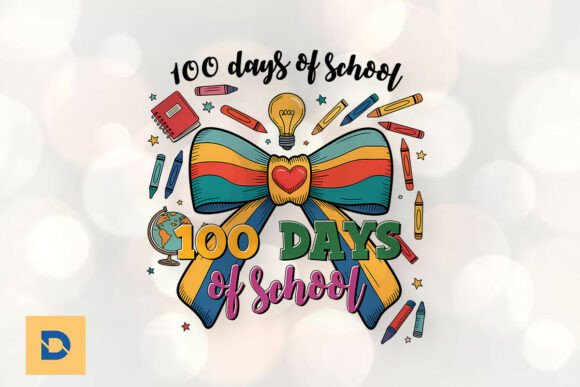
Right away, the design evokes a specific, playful elegance. The “coquette” styling suggests soft, feminine details—likely swirling scripts, delicate flourishes, or a slightly romantic take on the classic school celebration theme. This isn’t a bold, blocky sports logo; it’s a design meant to feel celebratory and sweet. The mood it creates is one of affectionate recognition, perfect for honoring a teacher or marking a student’s milestone with a touch of grace.
For embroidery, this personality translates into a project that leans towards giftability and boutique appeal. Imagine this stitched onto a lightweight sweater for a favorite educator, or on the corner of a linen tea towel as a kitchen gift. It naturally belongs to projects where the presentation is as important as the message—where the handmade feel adds value.
Where This Design Shines in Real Projects
In practical application, this embroidery file has a wide range of potential homes. The celebratory nature makes it a strong candidate for custom apparel like t-shirts or sweatshirts for a school’s 100th day event. The coquette aesthetic, however, pushes it further into niche, high-value items.
- Personalized Gifts: Embroidered on a premium tote bag or a cozy blanket, it becomes a cherished keepsake for a teacher or parent.
- Small Shop Merchandise: For Etsy sellers or craft business owners focusing on educator or school-themed products, it offers a design that stands out from more generic options.
- Home Decor: Stitched onto a pillow cover or framed as a decorative patch for a nursery or classroom, it adds a custom, handmade touch.
- Baby Items: On a cute romper or bib celebrating a child’s first school milestone, the softer style is particularly fitting.
The key to its success in these embroidery projects will be pairing it with quality materials. This isn’t a design for a thin, disposable fabric; it’s meant for substrates that complement its character—good cotton, sturdy canvas, soft fleece.
Careful Considerations: Fabric, Scale, and Detail
Not every project is a perfect fit. The coquette style often implies finer details. If the design includes small, intricate lettering or delicate decorative accents, you need to be strategic.
- Small Hoop Sizes: Attempting this on a very small hoop might compress the details, losing clarity. Test the scale first.
- Textured or Stretch Fabrics: On highly textured fabrics like some sweaters, or on stretchy knit, fine details can get lost or distort. Proper stabilizer is non-negotiable.
- Dark Fabric Backgrounds: If the design uses a lot of fine lines or running stitch outlines, contrast is vital. You may need to adjust thread colors for optimal visibility on dark fabrics.
- Curved Surfaces: Embroidering it on a cap requires careful placement to ensure the elegant layout doesn’t warp around the curve.
- Products for Frequent Washing: For items like kitchen towels or baby clothes that will be laundered often, a denser stitch density might be preferable for durability. Review the file’s built-in density.
This is where a professional’s pre-work pays off. Always test the design on scrap fabric first, ideally using the same material as your final project. Check the thread color contrast and inspect how the smallest details stitch out.
Impact on Value, Trust, and Presentation
Using a design like 100 Day of School Coquette Teaching PNG affects the final product on multiple levels. For a craft business owner, it elevates the offering. A coquette-style embroidered patch on a bag feels more thoughtfully designed than a basic text applique, which can increase perceived value and customer trust in your brand’s attention to detail.
For personalized gifts, this design boosts the giftability factor. It feels special, crafted, and tailored—not mass-produced. That handmade presentation is exactly what engages buyers in markets like Etsy or at craft fairs.
However, brand consistency matters. If your shop’s style is modern and minimalist, this coquette design might not align. It’s perfect for brands with a romantic, classic, or playful feminine aesthetic.
A Practical Designer’s Final Notes
Before committing this design to a client’s sweatshirt or a batch of embroidered patches for your shop, run through a final checklist. Since the product description notes it’s a PNG for cutting software like Cricut Design Space, remember that for machine embroidery, you’ll need to convert it to an appropriate embroidery file format, which may involve digitizing.
- Confirm the design works at your intended hoop size without losing detail integrity.
- Compare how it looks in both light and dark fabric texture mockups—a simple black and white preview can reveal contrast issues.
- If you plan to sell the finished items, always confirm the licensing terms for commercial embroidery use. The product type is Graphics, so check the specifics before selling physical products or digital derivatives.
- Think about the end-use. A design destined for a child’s baby embroidery item should be stitched with durability in mind, perhaps opting for a slightly simplified version if the details are extremely fine.
In essence, the 100 Day of School Coquette Teaching PNG is a design with charming potential. It’s not a one-size-fits-all file; it’s a specialized tool for creating products with a certain mood and quality. With careful testing and thoughtful application, it can become a beautiful, profitable part of your embroidery project lineup, turning a digital design asset into a finished product that feels both celebratory and lovingly made.