A Groovy Retro School Embroidery Design Review
The First Impression: Pure Nostalgic Charm
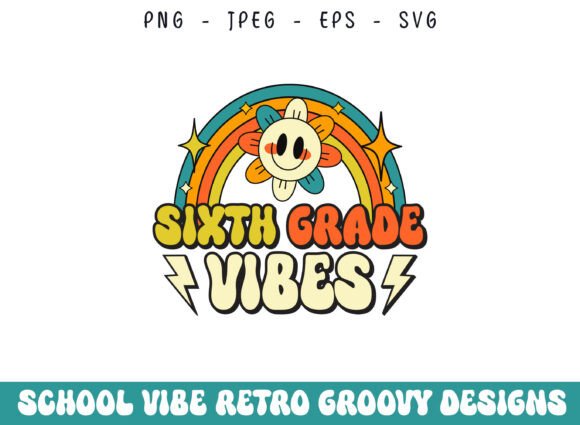
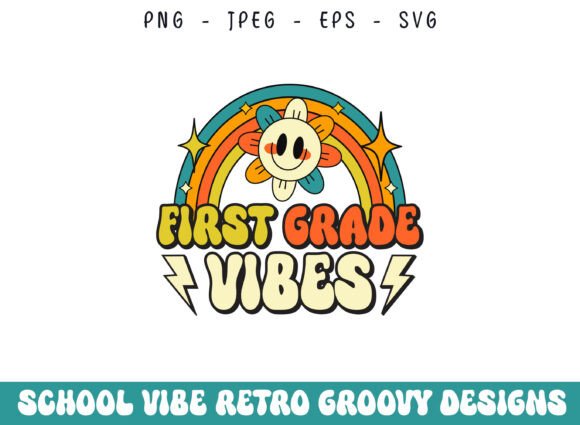
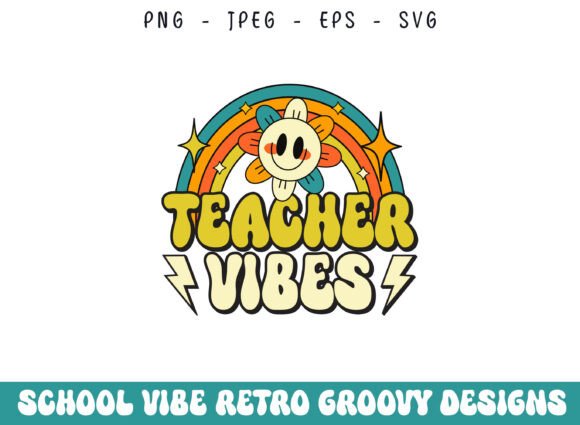
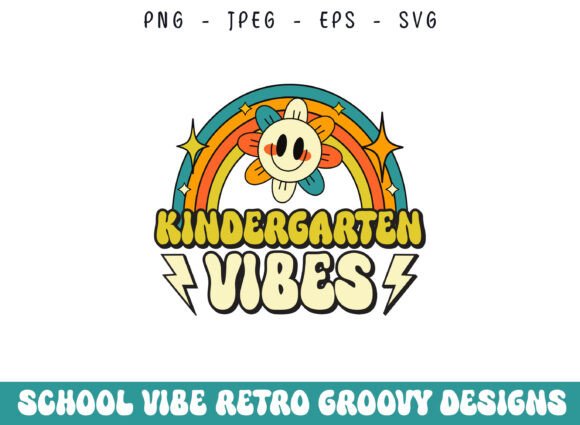
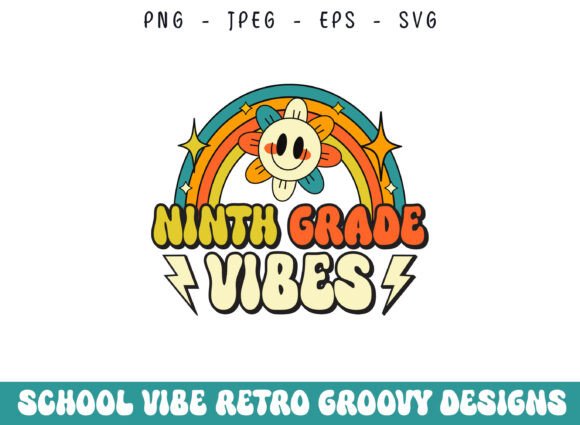
When I first opened the Ninth Grade School Retro Groovy Vibes embroidery design file, my immediate reaction was a smile. It captures that specific, slightly awkward, but wholly optimistic energy of stepping into high school. The layout isn't overly complex; it’s built with a collection of vector shapes that come together to tell a cohesive story. This is a design that feels ready for a project, not just a graphic on a screen. The “groovy” elements are handled with a sense of fun rather than chaotic clutter, which is crucial for translating well into stitches. It creates a mood of friendly nostalgia, perfect for anyone wanting to celebrate school life, whether for a student, a teacher, or someone fondly remembering their own ninth-grade year.
This design’s personality is visually upbeat and detailed enough to feel substantial without being intimidating. I can already picture it on a custom sweatshirt or a tote bag for a freshman. It naturally belongs to projects that are personal, celebratory, or gift-oriented. The fact that the description highlights easy color changes for dark or white backgrounds is a major plus; it signals that the designer thought about real-world application, allowing us to adapt it for a black crewneck sweatshirt or a light-colored baby blanket for a teacher’s new nursery decor without a struggle.
Where This Design Shines in Real Projects
In practical embroidery situations, the strength of Ninth Grade School Retro Groovy Vibes lies in its versatility. For apparel decorators, this is a ready-made centerpiece for back-of-sweatshirt embroidery or a chest design on a polo shirt. The level of detail suggests it would look excellent on a mid-weight fabric like cotton or a sturdy apron for a crafty teacher. I’m thinking specifically of preparing a custom embroidered patch for a backpack—the retro theme would stand out beautifully against typical school gear.
For small business owners and Etsy sellers, this design is a solid digital embroidery file to build product lines around. Imagine a series of pillow covers for a college dorm, or tea towels with a school-themed kitchen set. It adds perceived value because the design isn’t generic; it has a specific, engaging story. That boosts customer trust and engagement. When a buyer sees this on a handmade product, they recognize the thought behind it, which enhances giftability and professionalism for your shop. It could easily become a staple for holiday gifts aimed at educators or students.
The Sweet Spot for Embroidery Applications
I’d lean towards using this on items with a flat, stable surface for the best result. A tote bag made of canvas, a pillow cover, or a non-stretch cap with a flat front panel would be ideal. The design’s charm would translate well into baby clothes like a onesie for a teacher’s baby, provided you manage the stitch density appropriately for softer fabric. For craft fair products or boutique branding, applying this to a simple, high-quality item like a linen kitchen towel creates a product that feels special rather than mass-produced.
Caution Areas and Considerations for Stitching
While the design is appealing, there are always practical considerations. The mention of “100 vector shapes” implies detail, which means you need to be mindful of small hoop sizes. Trying to cram this into a very small area might lose the clarity of some of those groovy accents. Textured fabrics or very thin fabric could distort the shapes, so a good, appropriate stabilizer is non-optional here.
For dark fabric, the easy color change is a blessing, but you must still check thread color contrast meticulously. Some lighter details might need bold, saturated threads to pop against a black background. Also, be cautious with stretchy fabric like certain t-shirts; the design likely has areas of fill stitch that could pull if not stabilized correctly. If considering a curved surface like caps, inspect the file preview to see if the layout is adaptable or if the corners might get pinched.
The design seems to have a mix of elements, so I’d advise inspecting small details and any potential tiny lettering in your software before committing. Dense stitch areas need to be balanced to prevent a stiff, bulky feel on garments meant for frequent washing, like baby embroidery items or everyday custom apparel. Always test the design on scrap fabric first with your intended threads and stabilizer combo.
Practical Designer Notes for a Successful Outcome
Before firing up the machine, here’s my workflow for a design like this. First, I run a mental checklist. I review stitch density in my embroidery software to see if adjustments are needed for my target fabric. I confirm hoop size—this likely needs a medium to large hoop to preserve all its character. I test it in black and white mockups to see how the shapes hold up without color, which helps plan for both light and dark backgrounds. Comparing light and dark fabric backgrounds digitally saves time and thread.
A crucial step for any commercial embroidery or selling finished items is to confirm licensing before proceeding. The product is listed under Crafts and Graphics, but I need to know if it’s cleared for personal and commercial projects. That’s a must for digital product sellers and creative entrepreneurs building a stock of design assets. Once cleared, I’d stitch a sample, perhaps on a mid-weight cotton, to evaluate the actual stitching clarity and how the satin stitch and running stitch areas behave.
This kind of thorough check affects everything: visual appeal, the handmade presentation, and ultimately, customer satisfaction. For my own craft business, a well-executed version of Ninth Grade School Retro Groovy Vibes on a high-quality sweatshirt becomes a product that tells a story, enhancing brand consistency if I specialize in nostalgic designs. It’s more than a file; it’s a potential star in your embroidery project lineup.
The Final Take: A Design Ready for Your Next Idea
In summary, Ninth Grade School Retro Groovy Vibes is a thoughtfully composed embroidery design that brings a specific, joyful theme to life. Its real value comes from its adaptability and the mood it sets. From a personalized gift for a graduating eighth-grader to a small shop merchandise item for a local boutique, this design has the bones to perform well. Approach it with the practical steps of any seasoned embroiderer: test, stabilize, and consider the end product’s use. When you do, you’ll likely find it becomes a reliable, charming asset in your collection, capable of turning a simple finished product into something that genuinely resonates with people and their love for retro school days.