A Groovy Retro School Days Embroidery Design Review
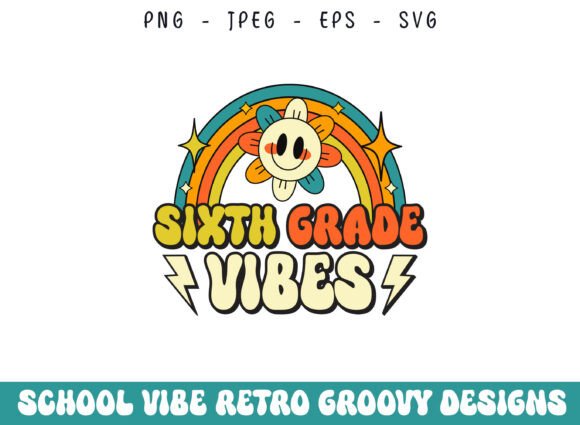
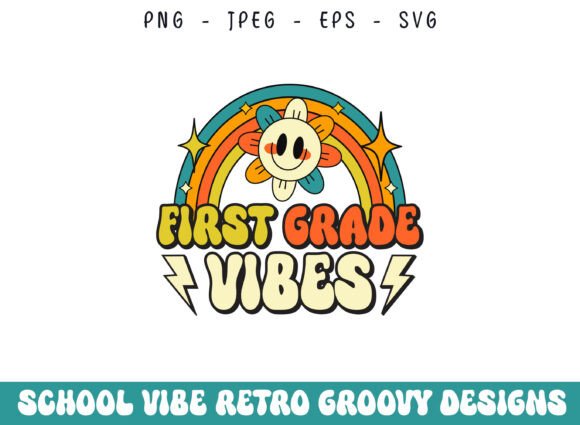
Let's talk about this First Grade School Retro Groovy Vibes design from a practical embroidery standpoint. When a designer like me evaluates a file for real project use, the first question isn't about the marketing description; it's about whether this design will translate beautifully from screen to stitch, and whether it will resonate with the person receiving the final product. I’m looking at it as a potential asset for client projects, personalized gifts, or my own small shop merchandise.
The Instant Mood & Visual Personality
The first impression is pure nostalgic charm. This isn't a generic school graphic; it's a specific vibe. The retro groovy aesthetic suggests fun, a touch of innocence, and a celebration of that big "first grade" milestone. For embroidery, this mood is crucial. It tells me this design belongs on items meant to evoke warmth and personal connection. I immediately picture it on a custom backpack for a child starting school, a commemorative pillow for a grandparent, or a nostalgic sweatshirt for a teacher. The layout, with its central focus on "First Grade," seems built for clear visibility, which is excellent for embroidery where detail clarity is paramount.
Where This Design Shines: Prime Project Pairings
Thinking through real-life applications, some projects stand out as perfect fits. The playful, slightly celebratory theme makes it a strong candidate for personalized gifts. Imagine embroidering this on a tote bag for a new first grader, filled with school supplies. It would transform a simple bag into a cherished keepsake. For a craft business or Etsy seller, this design could anchor a whole line of "Back to School" products: baby onesies for the sibling excited for their older brother or sister, custom aprons for a baking-themed "ready for school adventure," or simple pillow covers for a cozy nursery or classroom-themed decor.
It also feels naturally suited for embroidered patches. The description mentions it's made with vector shapes, which typically translates well to clean patch edges. A groovy retro school days patch could be applied to a denim jacket, a backpack, or a cap, offering a durable and stylish option. For home decor, consider it on a kitchen towel in a teacher's home or a blanket edge—projects where the nostalgic vibe adds to the comfort of the item.
A Real Scenario: Crafting a Boutique Baby Gift Set
Here’s a specific scenario I'm considering: a client wants a gift for a friend whose child is entering first grade. They request a small, coordinated gift set. I'd think about using this design on a set of baby embroidery items—perhaps a simple burp cloth with a small version of the design and a matching small pillow cover. The retro groovy feel would make the set feel curated and thoughtful, not just generic. The key would be testing the stitch density on the softer, textured fabric of the burp cloth to ensure the design remains soft and safe for baby use.
Performance Considerations & Areas for Careful Use
Now, for the practical embroidery judgment. The description highlights easy color change for dark or white backgrounds, which is a valuable feature. This means the design is likely built with good separation between elements, making it adaptable. For a dark t-shirt or sweatshirt embroidery, you'd opt for brighter, contrasting thread colors. For a white custom apparel base, you could use more muted retro tones. This flexibility increases its utility for a small shop product line.
However, any design with this level of thematic detail requires some thoughtful application. On small hoop sizes, the lettering and any intricate groovy accents need to be checked. If the "First Grade" text or the decorative elements are too finely detailed, they might become muddled in a small stitch area. Textured fabrics like some tote bag materials or stretchy fabric like t-shirts demand proper stabilizer choice to maintain the design's shape. I would be cautious about using it on curved surfaces like caps unless the design is tested and potentially simplified; complex layouts can distort on curves.
The mention of "100 vector shapes" suggests potential density. In embroidery, a high number of shapes can mean many stitch regions. On thin fabric or items needing frequent washing like baby clothes, high stitch density can make the fabric stiff or prone to puckering. Always test on scrap first. For products like embroidered patches or pillow covers where durability and a solid feel are desired, this density could be a benefit.
Impact on Your Craft Business & Customer Appeal
From a business perspective, using a well-executed design like this affects more than just the stitch. It enhances visual appeal and stitching clarity, which directly boosts the perceived value of your handmade product. A clean, cheerful, and theme-perfect embroidery design builds customer trust—they see professionalism and attention to detail. For giftability and recognition, this specific "first grade" theme has strong emotional pull, making the finished item more likely to be appreciated and remembered.
For brand consistency, if your shop focuses on nostalgic or educational themes, this embroidery file could become a core part of your seasonal offerings. It supports buyer engagement by tapping into a shared, sentimental moment—the start of school. In your Etsy listings or craft fair products, showing this design on a beautifully photographed tote bag or sweatshirt can immediately communicate its use case.
Essential Designer Notes Before You Stitch
Before you run this machine embroidery design for a commercial embroidery project or a personal gift, here are my practical steps.
- Test on scrap fabric first. Use a fabric similar to your final project item. Check for any thread breaks, especially in small details.
- Review stitch density by observing the test run. Does the finished stitch feel too stiff for a baby garment? Is it perfect for a sturdy tote bag?
- Check thread color contrast. Create a simple black and white mockup or preview in your software to see how the shapes separate. Then, plan your color palette for both light and dark fabric backgrounds.
- Confirm hoop size compatibility. The design likely has a recommended size range. Ensure your target project fits within that range without forcing excessive scaling.
- Inspect small details like the tips of letters or any tiny decorative elements. Ensure they will stitch out clearly and not get lost.
- Always use the proper stabilizer for your chosen fabric type. This is non-negotiable for maintaining the design's integrity.
- Confirm licensing. The product is categorized under Crafts and Graphics. Before selling finished items or incorporating it into your digital product offerings like printable mockups, verify the license terms for commercial use.
Ultimately, First Grade School Retro Groovy Vibes presents itself as a design with strong thematic appeal and practical flexibility. Its success in your embroidery project will hinge on that standard designer practice: matching the design's characteristics to the right project and preparing with thorough testing. When done thoughtfully, it can become a wonderful asset for creating memorable, personalized gift items and commercially viable, charming products for your creative business.