Autism Puzzle Coquette Bow Svg, Autism
As an experienced embroidery designer, I recently had the opportunity to review the Autism Puzzle Coquette Bow Svg, Autism. This digital embroidery file is a charming and meaningful design that can add a touch of personalization and awareness to a variety of projects. Let's dive into how this design performs in real embroidery situations and where it might shine or need some extra consideration.
A First Impression: A Touch of Awareness and Elegance
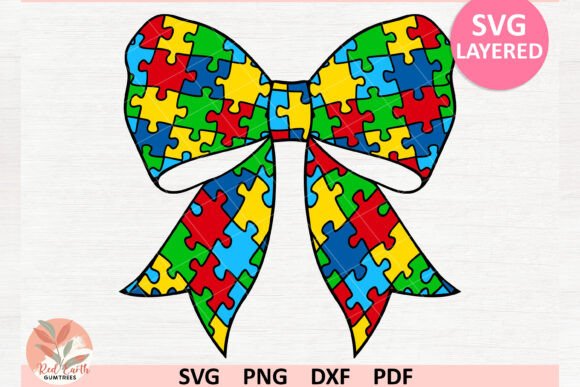
The Autism Puzzle Coquette Bow Svg, Autism immediately strikes a balance between awareness and elegance. The puzzle piece, a well-known symbol for autism, is beautifully integrated with a coquette bow, creating a design that is both meaningful and visually appealing. The combination of these elements suggests a design that could be used for a wide range of custom apparel, from baby clothes to adult wear, and even home decor items like pillow covers and tote bags.
Real-World Embroidery Performance
When it comes to real-world embroidery, the Autism Puzzle Coquette Bow Svg, Autism holds up well. Here are some insights based on practical use:
- Tote Bags and T-Shirts: The design looks fantastic on flat, smooth fabrics. It adds a pop of color and a powerful message to everyday items, making them perfect for both personal use and as gifts.
- Baby Clothes and Nursery Decor: The gentle and playful nature of the design makes it ideal for baby onesies, bibs, and nursery items. The soft, pastel colors and the coquette bow add a sweet, endearing touch.
- Holiday Gifts and Personalized Products: For holiday gifts, this design can be a thoughtful and unique choice. Whether it's embroidered on a tea towel, a blanket, or a holiday-themed sweatshirt, it brings a special meaning to the season.
Where to Use with Caution
While the Autism Puzzle Coquette Bow Svg, Autism is versatile, there are a few areas where you should exercise caution:
- Small Hoop Sizes: The intricate details of the puzzle piece and the bow may not translate well in very small hoop sizes. Test the design on scrap fabric first to ensure it maintains its clarity and detail.
- Textured and Stretchy Fabrics: Textured and stretchy fabrics can be challenging. The design may lose its sharpness and definition on these surfaces. Use a proper stabilizer and test on a similar fabric before committing to your final project.
- Dark Fabrics: Dark backgrounds can make the design less visible. Consider using high-contrast thread colors to ensure the design stands out.
- Curved Surfaces (Caps, Hats): The design may require adjustments for curved surfaces. The puzzle piece and bow may distort if not properly aligned. Test on a sample cap to ensure the best results.
Enhancing Visual Appeal and Product Value
The Autism Puzzle Coquette Bow Svg, Autism can significantly enhance the visual appeal and value of your handmade products. Here’s how:
- Stitch Density and Clarity: The design features a good balance of satin stitch and fill stitch, which helps in maintaining the clarity and texture. Review the stitch density to ensure it works well with your chosen fabric and stabilizer.
- Thread Colors and Contrast: Choose thread colors that complement the fabric and the overall theme of the product. High-contrast colors can make the design more vibrant and eye-catching.
- Professional Presentation: The design adds a professional and polished look to your products. It can help build trust and recognition among your customers, whether you're selling on Etsy, at craft fairs, or in a boutique.
Practical Embroidery Designer Notes
Here are some practical tips to keep in mind when using the Autism Puzzle Coquette Bow Svg, Autism:
- Test on Scrap Fabric: Always start by testing the design on a scrap piece of the same fabric you plan to use. This will help you identify any issues with stitch density, thread tension, and overall appearance.
- Check Thread Color Contrast: Ensure that the thread colors you choose provide enough contrast against the fabric. This is especially important for dark and textured fabrics.
- Review Stitch Density: Adjust the stitch density if needed to ensure the design looks clean and professional. Dense areas can sometimes cause puckering, so use a stabilizer to prevent this.
- Confirm Hoop Size: Make sure the design fits within your hoop size. If necessary, resize the design while maintaining its proportions to fit your needs.
- Inspect Small Details: Pay close attention to the small details, such as the edges of the puzzle piece and the loops of the bow. These details can make or break the overall look of the design.
- Test in Black and White Mockups: Before stitching, test the design in black and white to see how it holds up without color. This can help you identify any potential issues with the design's clarity.
- Compare Light and Dark Fabric Backgrounds: Test the design on both light and dark fabric backgrounds to see how it performs. This will give you a better idea of its versatility.
- Use Proper Stabilizer: Use a stabilizer that is appropriate for the fabric type and the design. This will help maintain the integrity of the embroidery and prevent distortion.
- Check Licensing: Before using the design for commercial projects, make sure to check the licensing terms. Ensure you have the right to use the design for both personal and commercial purposes.
In conclusion, the Autism Puzzle Coquette Bow Svg, Autism is a versatile and meaningful embroidery design that can add a lot of value to your handmade products. With careful consideration and testing, it can be a standout addition to your embroidery projects, whether you’re creating custom apparel, personalized gifts, or boutique merchandise. Happy embroidering!