Groovy Retro School Days: A Designer's Embroidery Review
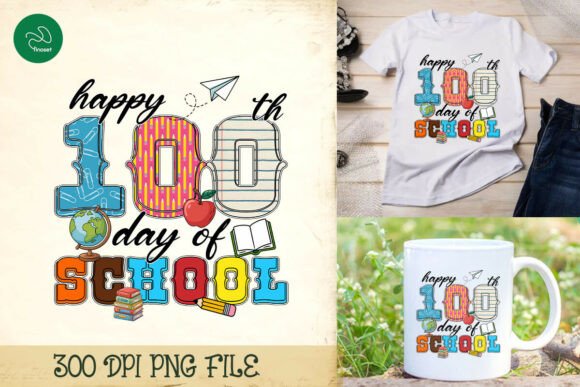
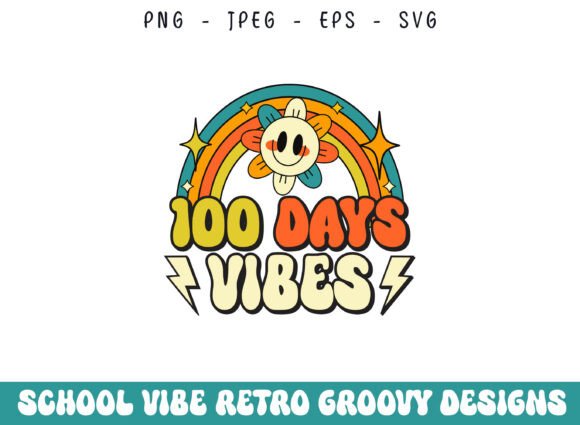
When a design file named 100 Days Grade School Retro Groovy Vibes lands on my screen, my first reaction is always to visualize it stitched out. Not on a digital mockup, but on actual fabric, under a hoop, with thread. This one immediately evokes a specific, warm nostalgia. It feels celebratory, a little playful, and unmistakably retro. The theme suggests a milestone—those first 100 days of school—but the "groovy" twist gives it a fun, vintage personality that extends far beyond a standard school logo. It’s not just for kids; it’s for anyone who loves that nostalgic, cheerful aesthetic.
The Immediate Mood & Project Fit
The layout and suggested details—I'm inferring from the title and description—point toward a design that's likely busy in a good way. "Made with 100 vector shapes" suggests complexity, which translates to visual richness in embroidery. This isn't a tiny, minimalist motif. It belongs on items where you want the embroidery to be the star. My mind jumps to a custom embroidered tote bag for a teacher, a celebratory sweatshirt for a student, or a vibrant patch sewn onto a backpack. The retro school life theme also makes it a perfect candidate for personalized gifts: think a keepsake pillow for a grandma remembering her own school days, or a decorative kitchen towel in a home that loves vintage decor.
Performance in Real Embroidery Scenarios
For my craft business or a client project, I’m thinking about how this machine embroidery design will perform technically and visually. The mention that it allows for easy color changes for dark or light backgrounds is crucial. That means the designer has considered contrast, which is half the battle in embroidery. On a white t-shirt, I'd lean toward bright, saturated thread colors to really pop that retro vibe. On a dark sweatshirt, I might use a more muted, vintage palette to keep it readable but softer.
Given the potential number of elements, stitch density will be key. A design with many shapes can become very dense if the fills are heavy. On a baby item or a lightweight tea towel, I'd be cautious—too dense stitching on thin fabric can cause puckering or be uncomfortably stiff. A medium-weight tote bag or apron would be ideal substrates; they can handle the detail. For a cap or curved surface, I'd need to carefully check the design's size and layout—complex designs with small text can get distorted on curved seams.
Where This Design Should Be Used Carefully
My practical advice: tread carefully with very small hoop sizes. Squashing 100 shapes into a 3-inch circle might lose all the charming detail. Textured fabrics like linen or terry cloth could also obscure the finer elements. And if there’s any tiny lettering (like "100 Days"), test it first on scrap fabric. Tiny satin stitches can blur if the stabilizer isn't perfect. This design’s strength is its visual personality, so you want to preserve that clarity to maintain product value and customer trust.
Impact on Appeal, Business, and Gifting
From a business owner's perspective, this embroidery file offers strong visual appeal. The retro groovy theme is recognizable and currently popular, which helps with buyer engagement in an Etsy listing or at a craft fair. It tells a story, which makes the finished product feel more special than a generic design. That enhances its giftability tremendously—it feels like a thoughtful, handmade product, not just a stitched logo.
For brand consistency, if your small shop specializes in vintage or school-themed items, this could be a core design asset. It lends a professional, cohesive look to a line of merchandise. However, always confirm the licensing for commercial embroidery before selling items. The product type is listed as Graphics, so it’s essential to verify the terms for producing and selling physical goods.
Practical Designer Notes Before You Hoop It
Here’s my real-world checklist before using 100 Days Grade School Retro Groovy Vibes in a project:
- Test on scrap fabric first. Use the same material and stabilizer you plan for the final item. This reveals any potential issues with density or detail.
- Check thread color contrast. Do a quick mental or digital mockup for both light and dark backgrounds. The design might need a completely different palette for a black mug versus a white baby blanket.
- Review the design in your software. Look at the individual elements. Are there very small areas or intricate corners that might require careful thread choice or even a slight simplification?
- Confirm the hoop size required. While specifics aren't provided here, your machine software will tell you. Ensure your target product (like a pillow cover or cap) can accommodate that size.
- Consider its use as an applique design. If the vector shapes are suitable, converting some elements to applique could reduce stitch density and add a cool textured look, perfect for a patch or tote bag design.
- If you're creating printable mockups for a digital product listing, ensure your mockups show the design on both light and dark substrates to help buyers visualize it.
The Final Stitched Impression
In my estimation, 100 Days Grade School Retro Groovy Vibes is a design that wants to be seen. It’s celebratory, detailed, and packed with personality. It would shine on a mid-weight canvas tote, a cozy crewneck sweatshirt, or a decorative pillow. For a baby embroidery item like a romper, I'd likely scale it down carefully and choose softer threads. For a holiday embroidery gift—say a teacher's Christmas apron—it would be a hit.
The key to success with any design like this is respecting its complexity. Don’t force it onto a fabric or product it isn't suited for. Let its retro, groovy mood guide your color choices and product selection. When stitched out with care on an appropriate item, it will create a finished product that feels authentic, handmade, and joyfully nostalgic—exactly what customers looking for a personalized gift or unique small shop merchandise are hoping to find.