Sixth Grade Vibes: A Designer's Hands-On Review
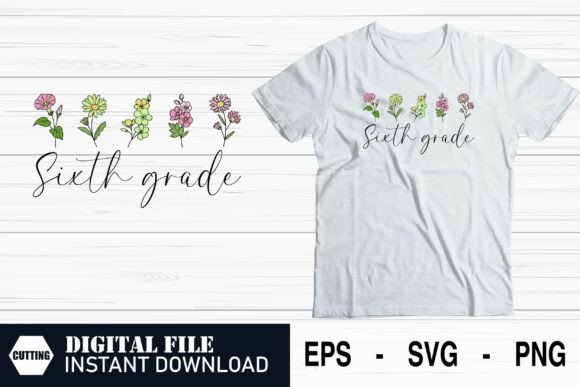
As a designer who stitches everything from boutique patches to client apparel, my first question about any new embroidery file is simple: does it feel like a real project? When I opened “Sixth Grade Vibes – Middle School Back,” my immediate impression was a confident, playful energy. The bold, fun layout isn’t just a graphic; it’s a mood. It captures that specific moment of transition—the leap into a new chapter—with a visual personality that’s celebratory without being overly childish.
Where This Design Finds Its Perfect Home
This isn’t a design you simply drop onto any blank item. Its theme gives it a natural affinity for personalized gifts and commemorative products. I instantly pictured it on a custom sweatshirt for a student’s first day, a tote bag for a teacher, or a durable patch on a backpack. For crafters and Etsy sellers, it’s a prime candidate for holiday gifts aimed at parents or grandparents looking to mark the milestone. The boldness translates well into boutique merchandise, like a neatly embroidered pillow cover for a child’s room or a clean kitchen towel in a family-centric shop.
Think of real-life scenarios: a small business preparing a batch of embroidered caps for a middle school event, or a creative entrepreneur adding it to a line of digital embroidery files for other designers. The “vibes” are clear, making it an excellent asset for projects needing recognition and engagement.
Performance on Actual Fabrics and Products
In practical embroidery situations, a design’s true character emerges. The boldness of “Sixth Grade Vibes” suggests good stitching clarity, which is crucial for customer trust and a professional handmade presentation. On apparel like t-shirts and sweatshirts, the layout likely holds its presence. On a tote bag, it would become a focal point, enhancing product value. For baby clothes or nursery decor, it’d need careful size consideration, but the celebratory theme could work for personalized gifts for older siblings.
However, its application on more challenging surfaces requires forethought. On curved surfaces like caps, the design’s shape and any potential detailed corners would need a test run on scrap fabric first. If the lettering is tiny or there are dense stitch areas, stitch density and stabilizer choice become paramount. For dark fabric backgrounds, thread color contrast is an absolute must-check. Layered garments or textured fabrics might obscure some details, so a test stitch is your best friend here.
Caution Zones for a Successful Stitch
Every designer knows that some projects demand extra care. With this design, I’d be cautious about very small hoop sizes that could compromise the bold, fun feel. Thin or stretchy fabric could distort the theme if not stabilized properly. Products destined for frequent washing, like certain apparel or tea towels, need a robust stitch construction to maintain that visual appeal over time.
Before running this embroidery file for a commercial embroidery project or listing it as a finished product in your craft business, always inspect the small details in a black and white mockup. Compare how it looks on light and dark fabric backgrounds digitally. This step saves countless hours and materials. It also ensures brand consistency for small shop products and maintains the giftability of the item.
The Designer’s Notebook: Essential Pre-Stitch Checks
My process for any new design like “Sixth Grade Vibes – Middle School Back” involves a short but critical checklist. First, I always test the design on scrap fabric that mimics the final product’s texture. This reveals how satin stitches or fill stitches behave. Second, I review the implied stitch density from the graphics—are there areas that might become too thick or too sparse? Third, I confirm the effective hoop size needed to preserve the layout’s integrity.
For digital product sellers and creative entrepreneurs offering this as a design asset, providing clear notes on these aspects builds buyer engagement. Furthermore, whether you’re using it for personal projects or commercial embroidery, confirming the licensing terms is a non-negotiable step before selling any finished product or handmade item. Never assume.
The Final Impression: Why This Design Works
“Sixth Grade Vibes – Middle School Back” succeeds because it understands its audience. It doesn’t try to be everything; it embraces a specific, joyful moment. For embroidery designers and makers, that specificity is a strength. It tells you exactly where it belongs: on products celebrating a milestone. Its boldness promises good stitch definition, and its fun theme connects emotionally with customers—parents, teachers, and students alike.
When I evaluate a machine embroidery design for real project use, I look for that blend of clear visual personality and practical application. This design, from the Crafts and Graphics realm, offers both. It invites you to create something with genuine meaning, whether it’s a custom embroidered tote bag for a craft fair, a sweatshirt for an Etsy listing, or a personalized gift for a holiday. Approach it with the standard designer precautions—test, check, confirm—and it will likely stitch out as a confident, engaging celebration of that big leap into sixth grade.