The Teacher Appreciation Card: A Designer's Hands-On Review
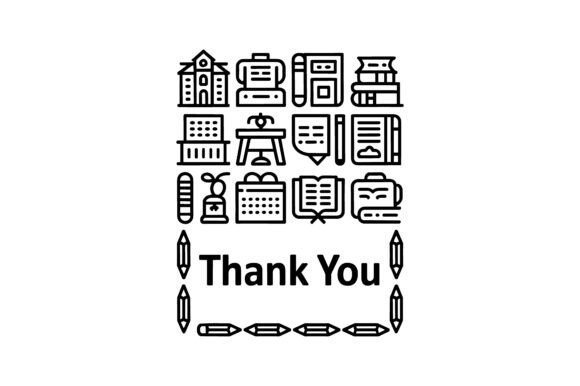
Every designer knows that feeling. You open a new embroidery file, and your first thought isn’t just about the graphics; it’s about the story it will stitch. With the Teacher Appreciation Vector Card Design, that story is immediately clear. It’s a genuine, heartfelt thank you, packaged in a layout that feels classic but clever. The central "Thank You" message, framed by those pencils and dotted with school icons, isn’t just a design—it’s a complete sentiment. My first impression was that this design carries a warm, appreciative, and slightly nostalgic mood. It’s not overly juvenile or cartoonish; it has a visual personality that feels suitable for a kindergarten teacher or a college professor alike. This isn’t a flashy, trendy piece. It’s dependable, which for an embroidery project aimed at gifting, is exactly what you want.
Where This Design Naturally Lives on Fabric
I immediately started picturing this on fabric. In my mind, I was preparing a custom embroidered tote bag for a client who wanted a gift for her child’s teacher. This design is a perfect fit for that application. The layout is contained and balanced, making it ideal for a centerpiece on a tote bag panel. But its versatility extends much further. On a classic cotton sweatshirt, it becomes a cozy, wearable token of gratitude. Stitched onto a linen apron, it transforms a simple kitchen towel into a personalized gift for a home economics teacher. Imagine it on a cotton pillow cover for a teacher’s lounge gift, or even as a beautifully finished patch that could be applied to a denim jacket or a backpack.
For baby clothes or nursery decor, if the item is for a teacher’s new baby, it’s a wonderfully thoughtful touch. For small business merchandise—think an Etsy seller offering “Teacher Gift” embroidered tea towels or blankets—this design provides a ready-made, professional-looking asset. It translates well into printable mockups for digital product previews, instantly showing potential buyers the heartfelt aesthetic of the finished product. In short, this isn’t a niche design. It’s a workhorse for projects centered around appreciation, making it a valuable file for anyone in the craft business, from hobbyists to commercial embroidery operations.
The Stitching Reality: Clarity and Customer Appeal
When you move from the screen to the hoop, practical considerations take over. The Teacher Appreciation Vector Card Design, with its mix of lettering, pencil outlines, and smaller icons, demands a thoughtful approach to stitch density and clarity. The “Thank You” lettering will likely be a satin stitch or a clean fill stitch, which should stand out beautifully. The pencils and icons, however, require attention. On textured fabrics like a waffle-knit sweatshirt or a canvas tote, those smaller details need a good stabilizer to maintain their definition. This is especially true for any tiny elements, like the little apple icon or the pencil tips.
Visual appeal directly impacts product value and customer trust. A clean, well-executed stitch of this design on a handmade product conveys care and professionalism. For a gift, the “giftability” is high—it’s recognizably for a teacher, emotionally resonant, and looks crafted, not generic. For an Etsy seller or boutique, using this design consistently across a line of teacher appreciation products (totes, aprons, pillows) can build nice brand consistency. It engages buyers because it communicates a specific, relatable message instantly.
Caution on the Curve: Where to Be Careful
Not every design is for every surface. The Teacher Appreciation Vector Card Design has a structured, rectangular feel. This means it might face challenges on severely curved surfaces like caps or hats without careful resizing or adaptation. The corners and the linear pencil frame could lose integrity if hooped improperly on a small, curved area.
On dark fabrics, the success hinges entirely on thread color contrast. A default white or light color scheme might need adjustment to pop on a navy sweatshirt. Similarly, on thin or stretchy fabrics, the potentially dense fill areas in the main message and icons require robust stabilizer to prevent puckering and to maintain the design’s crispness after frequent washing, which is a real concern for apparel and kitchen items. I would avoid very small hoop sizes for this unless you are deliberately stitching only a portion of the design, as cramming all those elements into a tiny space could muddy the details.
A Designer’s Practical Checklist Before You Stitch
Before loading this embroidery file for a real client project or your own small shop product, here’s how I’d approach it:
- Always, always test on scrap fabric first. Use the same material you plan for the final product.
- Check thread color contrast against your fabric. Run a mental check: will those school icons be discernible in the chosen colors?
- Review the stitch density in your software preview. Are there areas that look overly dense that might be tough on delicate fabrics?
- Confirm your intended hoop size can accommodate the design comfortably, allowing details to breathe.
- Inspect the small details in the test stitch—the tiny icons and pencil lines. Are they clear and not overly fragile?
- Test the design concept in black and white mockups to see how it holds up without color, planning for potential monochrome versions.
- Compare how it looks on both light and dark fabric backgrounds in your mind or software to plan thread palettes.
- Use the proper stabilizer for your fabric type—this is key for the design’s longevity.
- Crucially, check the licensing terms provided with the file. Confirm whether it’s suitable for personal use, commercial embroidery projects, or selling finished items. Don’t assume.
This Teacher Appreciation Vector Card Design is a strong, sentiment-driven graphics asset. Its real power comes from its clear emotional message, which translates directly into a stitched product that feels personal and appreciative. For designers and makers, it offers a solid foundation. It saves you from having to build a “thank you” composition from scratch, letting you focus on the craft—choosing the perfect fabric, the perfect thread, and stitching it with the care that a teacher, and your customer, deserves.